How Does Residential Rehab Work? What to Expect Day to Day
Fear of the unknown stops many people from getting help. This guide walks through what residential rehab involves, from the day you arrive to a typical daily routine, so there are fewer surprises and less to fear.
In short
Residential rehab means living at a treatment centre while you address your addiction, away from the pressures and triggers of everyday life. Days follow a structured routine of group therapy, one-to-one sessions, psycho-educational workshops and shared community life, supported by staff around the clock. Programmes typically last from a few weeks to a year, and the aim is to understand the causes of addiction, not just stop the substance.
Contents
- What is residential rehab?
- What happens when you arrive?
- What does a typical day look like?
- What therapies and support are involved?
- What about contact with family?
- How long does residential rehab last?
- Final thoughts
If you have never set foot in a treatment centre, it is natural to wonder how residential rehab works in practice. Television has not helped: most portrayals swing between luxury retreats and grim institutions, and the reality is neither.
Residential rehab simply means living at a treatment centre while you work on your recovery, rather than attending appointments from home. That single difference changes a great deal, because it removes you from the environments, routines and pressures where addiction took hold, and replaces them with structure, therapeutic support and a community of people working towards the same goal.
What is residential rehab?
Residential rehab is an intensive form of addiction treatment where you stay at the centre full time, usually for anywhere from a few weeks to a year depending on your needs. In the UK, residential services are regulated by the Care Quality Commission, which inspects centres in England for safety and quality of care.
The residential setting matters for two reasons. The first is practical: it is far harder for old habits to reassert themselves when you are physically away from them, and support is available at any hour rather than only during appointments. The second is deeper: addiction rarely exists in isolation, and living alongside others in recovery, with daily therapeutic input, creates the conditions for the kind of change that weekly sessions struggle to reach.
Research supports the intensity of this approach. The US National Institute on Drug Abuse, one of the most cited authorities on treatment effectiveness, notes that good treatment attends to the whole person: not only the substance use, but the psychological, social and practical problems woven into it.
What happens when you arrive?
Arrival day is quieter than most people expect. At a well-run centre the first day or two is about settling in, not diving into intensive therapy. You can typically expect:
1. A warm welcome and a tour, so you know where everything is and can start to find your bearings. 2. An initial assessment with clinical and therapeutic staff, covering your substance use, physical and mental health, personal history and what you want from treatment. This shapes your personalised programme. 3. Practical admin, including going through what you have brought with you, medication arrangements and the house guidelines that keep the community safe. 4. Meeting the community, often with another resident acting as a buddy in your first days. Most people arrive anxious, and most say the welcome from other residents was what put them at ease.
Assessment is not a test to pass. Its purpose is to understand your needs well enough to build the right programme around them, including any support you need at the start of your stay.
What does a typical day look like?
Structure is one of the quiet engines of recovery. Addiction tends to dismantle routine, so rebuilding a healthy daily rhythm is itself part of the treatment. While every centre differs, a typical weekday in residential rehab looks something like this:
- Morning: an early start, breakfast with the community, and a morning meeting to set intentions for the day. Group therapy usually follows, which is the backbone of most residential programmes.
- Midday: lunch together, often followed by psycho-educational workshops covering topics such as understanding addiction, managing cravings, and rebuilding relationships.
- Afternoon: one-to-one counselling, therapeutic activities, health and wellbeing sessions or education, depending on your programme.
- Evening: dinner as a community, followed by reflection groups, peer support or free time to read, exercise or simply rest.
Weekends are gentler, with more free time, activities and, at many centres, visits. What ties it all together is the community itself: meals are shared, responsibilities are shared, and the people around you become part of how you get well. We have written more about that side of treatment in our guide to therapeutic communities and peer support.
What therapies and support are involved?
The therapeutic core of residential rehab usually combines several strands, because addiction has physical, psychological and social roots that no single therapy addresses on its own:
- Group therapy, where residents explore experiences and patterns together with a trained facilitator. Hearing your own story in someone else’s words is often where change begins.
- One-to-one counselling, providing private space to work through personal history at your own pace.
- Trauma-focused work, since difficult life experiences so often sit beneath addiction. Our article on trauma and addiction explains this connection in depth.
- Psycho-educational sessions, which build a practical understanding of how addiction works in the brain and body, and why recovery strategies work.
- Health and wellbeing activities, from exercise and nutrition to time outdoors, rebuilding the physical health that addiction erodes.
- Family-focused work, where appropriate, helping repair the relationships that matter most.
At Littledale, these strands are woven into a single integrated programme built around our neuro-bio-psycho-social model, which you can read about on our Programme and Approach page.
What about contact with family?
This is one of the most common questions families ask, and the honest answer is that contact is usually managed rather than unlimited, particularly in the early weeks. A settling-in period with limited outside contact helps new residents focus and gives the mind space to adjust, after which phone contact and visits are typically built in.
Far from being shut out, families are often actively involved in treatment. Addiction affects everyone close to it, and many centres, including Littledale, run dedicated family work alongside the resident’s programme. If you are supporting someone through treatment, our Family Service page explains how that works, and our guide for families offers practical advice for the journey.
How long does residential rehab last?
Programme lengths in the UK range from around 28 days to a year or more. The right length depends on how long the addiction has been established, what sits underneath it, and what you are returning to afterwards; the research consistently favours longer stays for lasting change.
It is a big enough question that we have answered it fully in a separate guide: how long does rehab take, and why longer programmes work.
Final thoughts
Residential rehab works by changing your environment, filling your days with structure and therapy, and surrounding you with people who understand what you are working towards. It is demanding, and it is also far more human and far less frightening than most people imagine from the outside.
No two programmes are identical, because no two people arrive with the same history. A good centre will assess you properly, shape the programme around your needs and treat the causes of addiction rather than just the symptoms.
If the unknown has been holding you back, we hope this has replaced some fear with facts. The next step does not commit you to anything: it is simply a conversation.
Thinking About Rehab and Not Sure Where to Start?
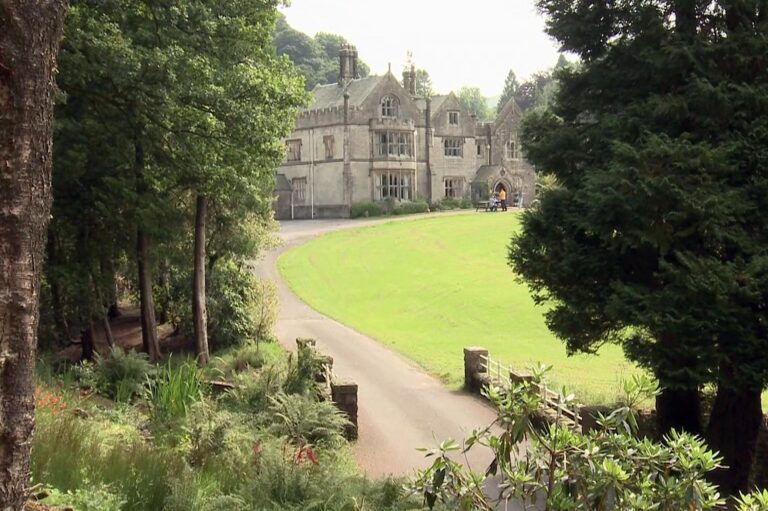
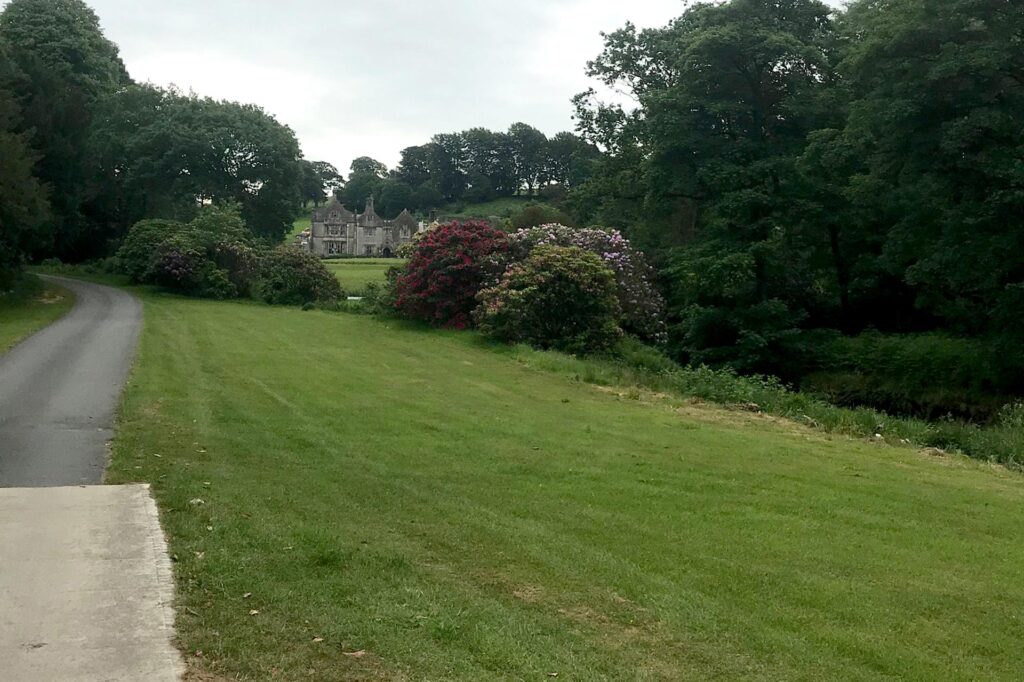
Littledale is a residential addiction treatment centre set in 200 acres of countryside near Lancaster, offering structured programmes with 24-hour support. Our admissions team can talk you through how our programme works, answer your questions and help you decide whether residential treatment is right for you or your loved one. Start with our admissions page, or take a look around the Hall and grounds.
If you need urgent help now, call 999 in an emergency. The Samaritans are available free, day and night, on 116 123.